World of Darkness B&W style
for generating a SUBJECT in Black and White lineart style inspired by the Old World of Darkness books from the 90's. If using a model powerful enough, you can include a picture of the desired person or character to use as the subject.
Content
${subject} rendered in harsh, angular World of Darkness comic-book linework. Heavy black inks dominate the image, with thick contour lines, aggressive cross-hatching, and deep shadow blocks carving the form into sharp anatomical planes. Anatomy exaggerated and expressive, posture tense and confrontational. Surfaces broken into stark light-versus-dark geometry. Background abstracted or urban-gothic, fragmented and oppressive. Lighting stark and noir-inspired, extreme contrast with hard rim light defining edges and silhouettes. Composition tight and intimate, low or confrontational camera angle. Overall tone: modern gothic horror, raw, feral, and spiritually charged.
🖼️Example Output
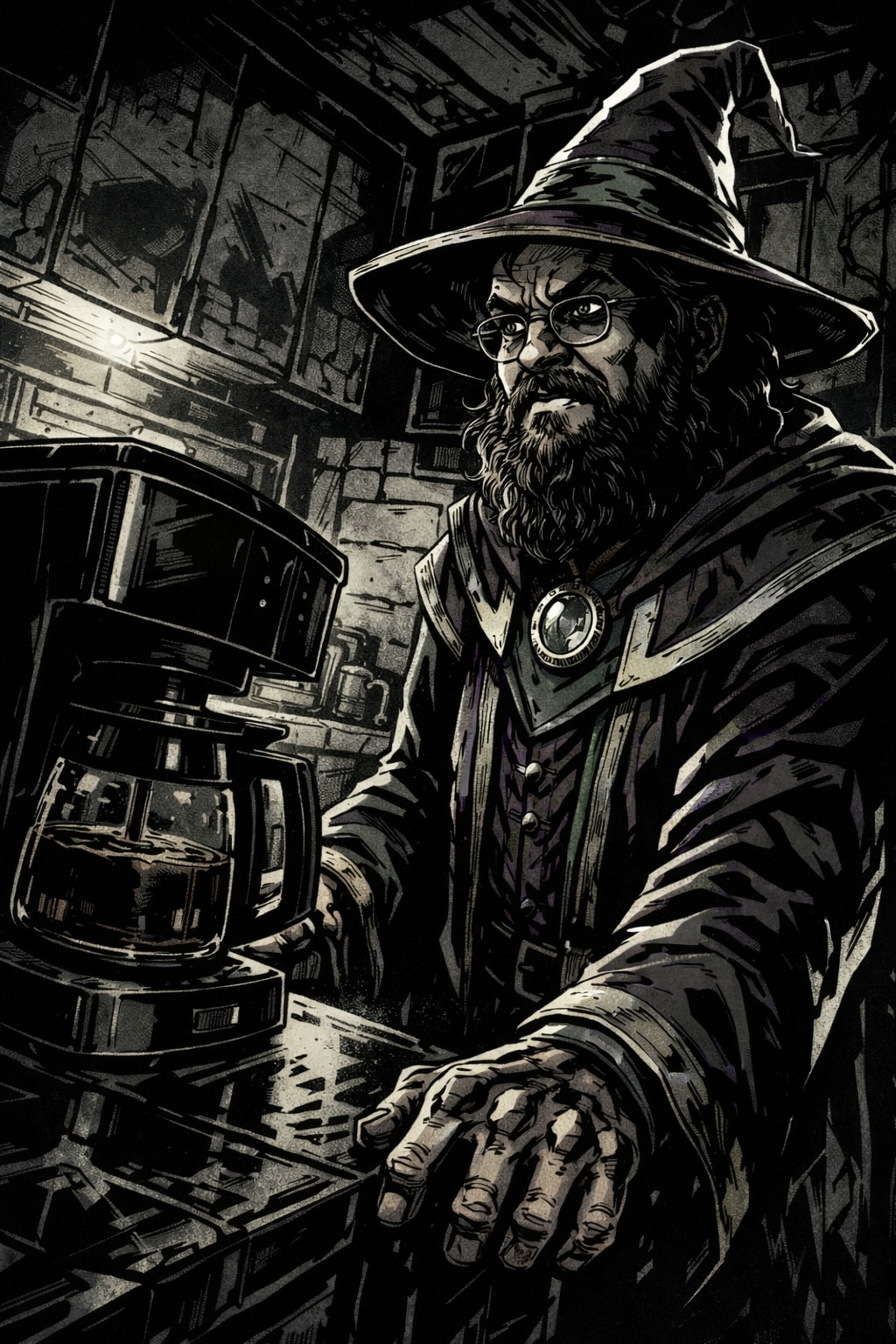
This is an example image generated using this prompt.
Related Prompts
Shower Glass Silhouette
Create a black and white silhouette photo of a [SUBJECT]'s body [PART] touching shower glass
Pitchside Tunnel Moment with Your Favorite Footballer
Upload your photo, type the footballer’s name, and choose a team for the jersey they hold. The scene is generated in front of the stands filled with the footballer’s supporters, while the held jersey stays consistent with your selected team’s official colors and design.
Time Layer Photography
Overlaying different time zones of the same location in a single image. Not morning/noon/night, but years or centuries apart.
Theme based Art Style Fusion Meta-Prompt
Simply insert your theme for the image and let the model itself decide the best 3+ art styles to fuse together to best serve the theme's expression.